
More Than a Blush
Understanding Rosacea and How to Treat It
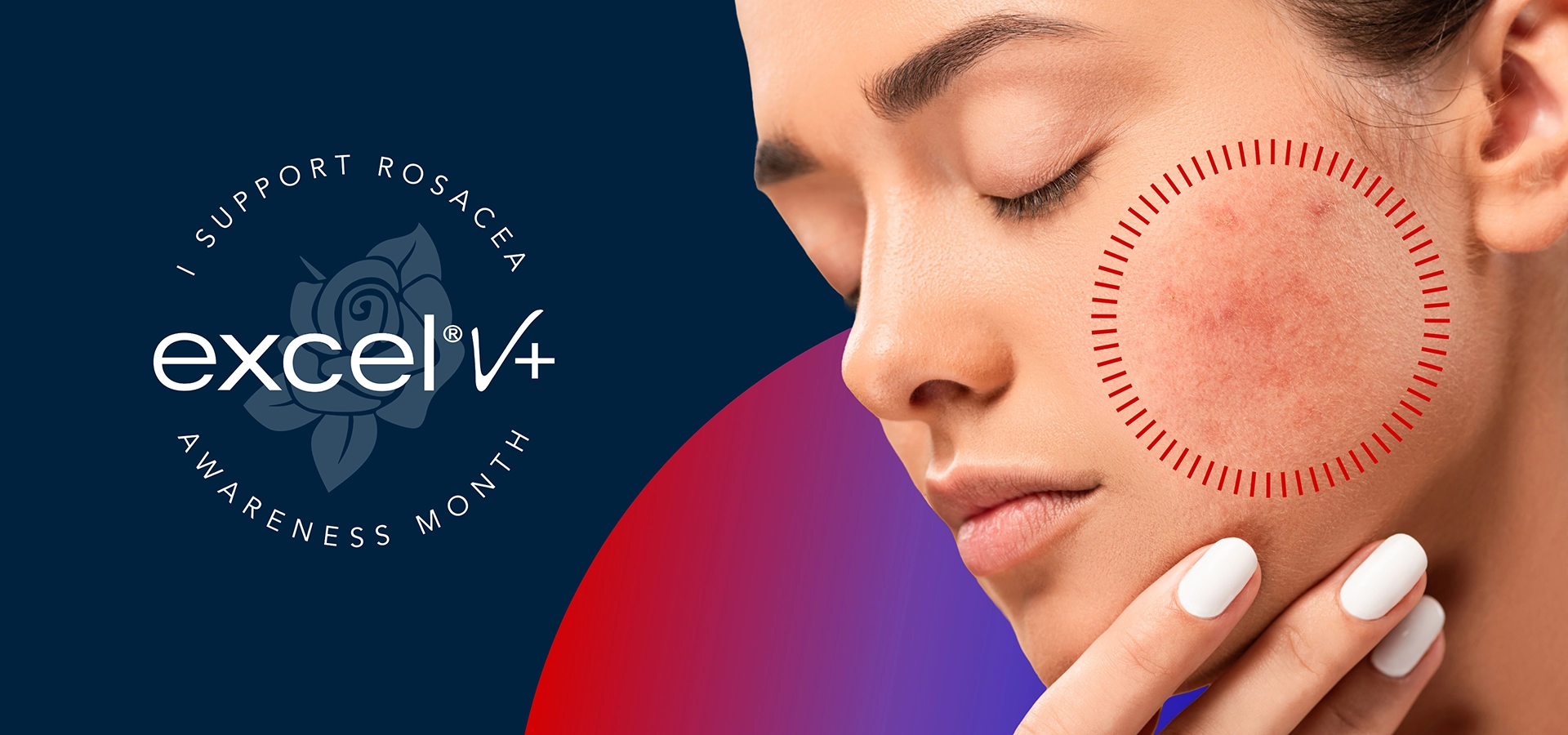
Each April, Rosacea Awareness Month serves as a powerful reminder that rosacea is far more than a cosmetic inconvenience. It is a chronic, progressive skin condition that affects millions of people globally — and for many, it quietly chips away at confidence, social life, and emotional wellbeing long before a diagnosis is made.

What is Rosacea?
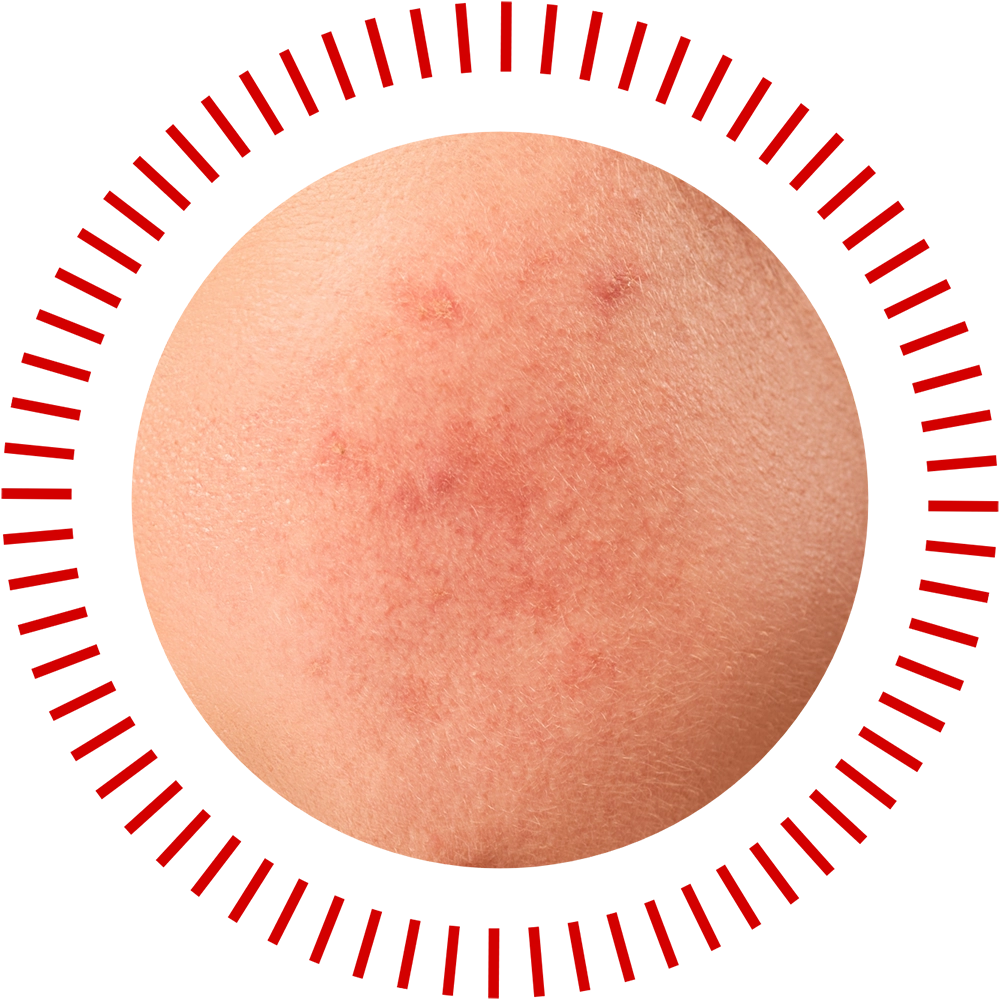
Rosacea is a chronic inflammatory skin disorder that primarily affects the central face — the cheeks, nose, forehead, and chin. It is characterised by persistent redness, visible blood vessels (telangiectasia), flushing, and in some cases, papules and pustules that are often mistaken for acne. Symptoms tend to fluctuate between periods of flare-up and remission, making it easy to dismiss in its early stages.
There is currently no known cure for rosacea. Without appropriate management, the condition typically progresses and can become increasingly difficult to control.
The Numbers Tell a Compelling Story
Rosacea is far more common than many people realise. According to a landmark 2024 global study published in the Journal of the American Academy of Dermatology – the largest of its kind, drawing on data from over 50,000 individuals across 20 countries – the overall prevalence of rosacea sits at approximately 5.1% of the adult population globally.¹
In Australia specifically, rosacea prevalence is estimated at 3.2%¹ – a significant proportion of the population, particularly given Australia’s sun-intensive climate, which is a well-established trigger for the condition.
Contrary to older assumptions that rosacea predominantly affects middle-aged adults, the 2024 study found the highest prevalence in the 25–39 age group at 3.7%¹ – suggesting the condition is actively impacting younger adults during some of their most socially and professionally active years.
Women are more affected than men, at 5.9% versus 4.4% respectively.² Globally, an estimated 400 million people worldwide are living with rosacea.³
A separate systematic meta-analysis examining over 26 million individuals across 41 populations confirmed a pooled global prevalence of 5.46% of the adult population.⁴
The Emotional Toll
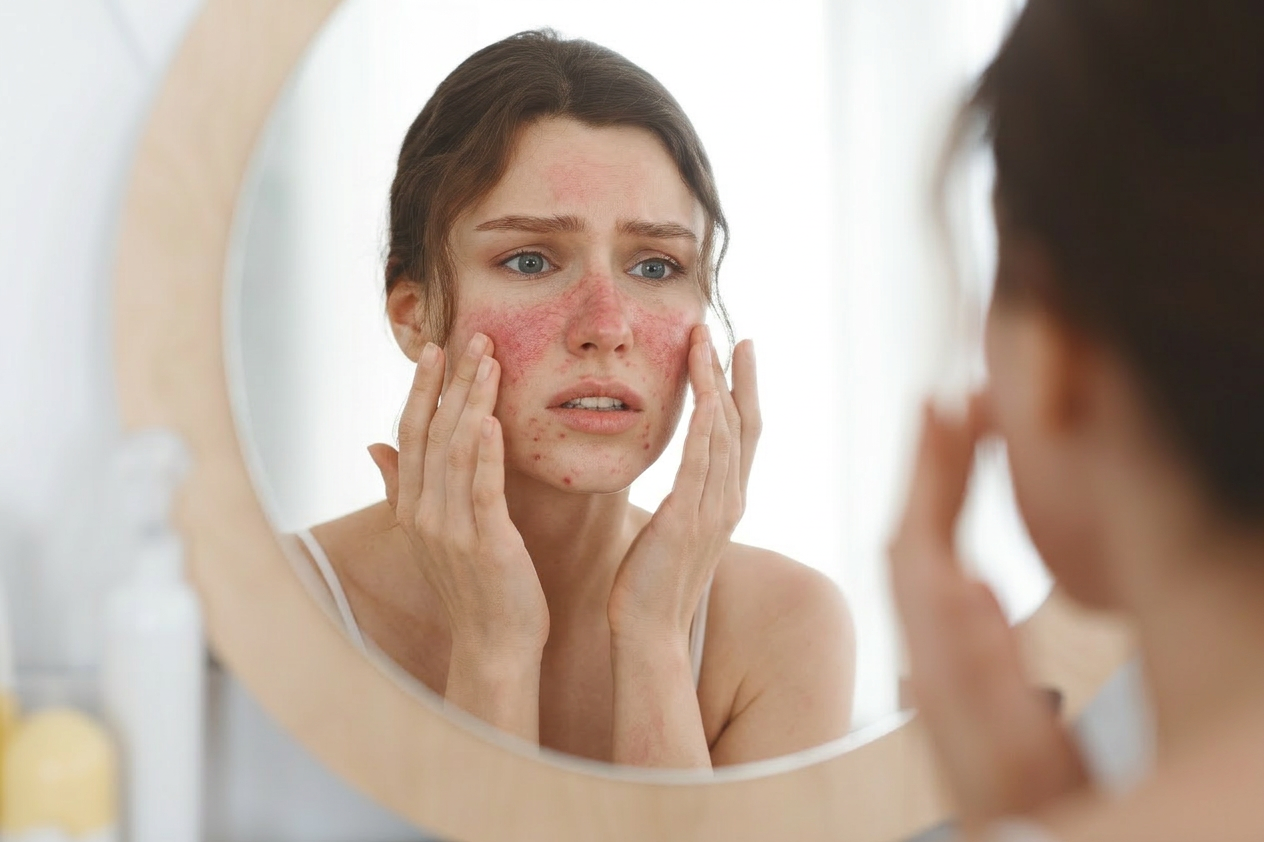
The impact of rosacea extends well beyond the skin. In a survey of 1,675 rosacea patients conducted by the National Rosacea Society, 90% reported that rosacea’s effect on their personal appearance had lowered their self-esteem and self-confidence, and 88% said they had suffered embarrassment. Respondents also reported frustration (76%), anxiety and helplessness (54% each), depression (43%), and isolation (32%).⁵
A third of people with rosacea report feeling excluded or rejected by others, and 52% say they have avoided face-to-face contact because of the condition.² These are not trivial statistics. For clinics treating rosacea, understanding the emotional weight patients carry is just as important as addressing the physical symptoms.
Common Triggers in an Australian Context
In Australia and New Zealand, sun damage is a major precipitating factor for rosacea, including for extrafacial presentations on the shoulders and scalp.⁶ Beyond UV exposure, common rosacea triggers include emotional stress, hot or cold weather, wind, heavy exercise, alcohol, spicy foods, heated beverages, humidity, and certain skincare products.³
Identifying and managing individual triggers is a cornerstone of effective rosacea management, but for many patients, lifestyle modifications alone are insufficient — and that is where clinical treatment becomes essential.

How Cutera excel V+ Treats Rosacea
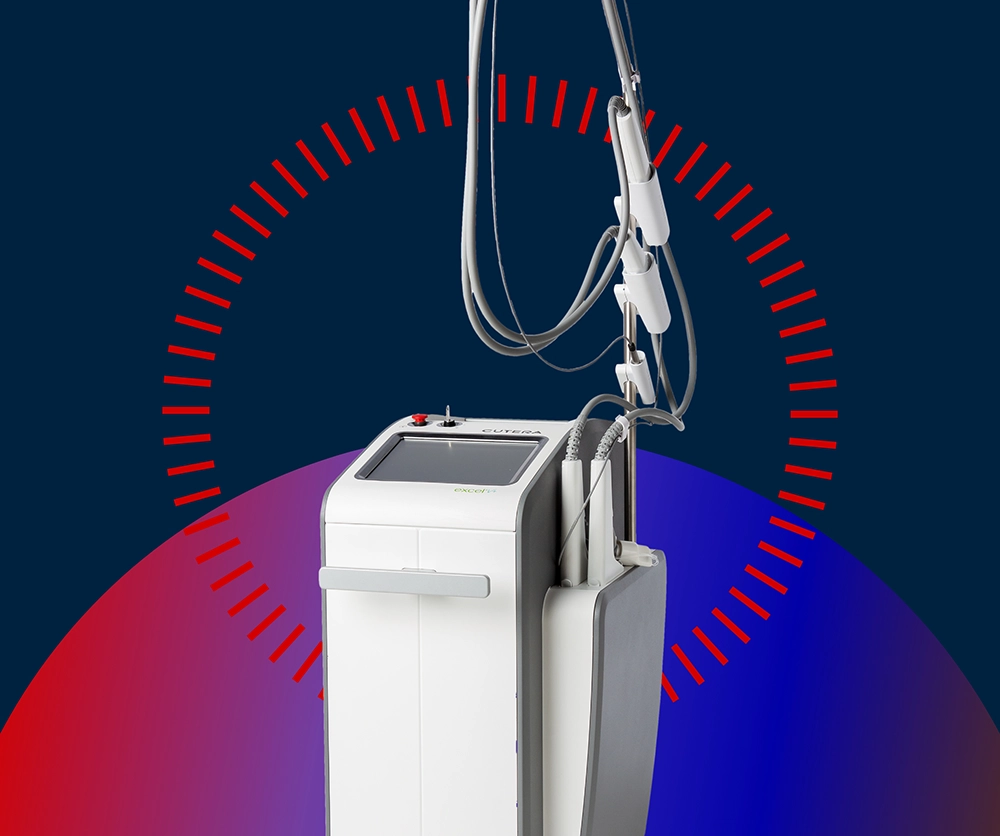
The Cutera excel V+ is one of the most advanced vascular laser platforms available, and rosacea is among its most compelling treatment indications. Designed with input from leading dermatologists, the excel V+ features two clinically proven wavelengths – 532 nm and 1064 nm – that work together to target the vascular and pigmentary components of rosacea with precision.
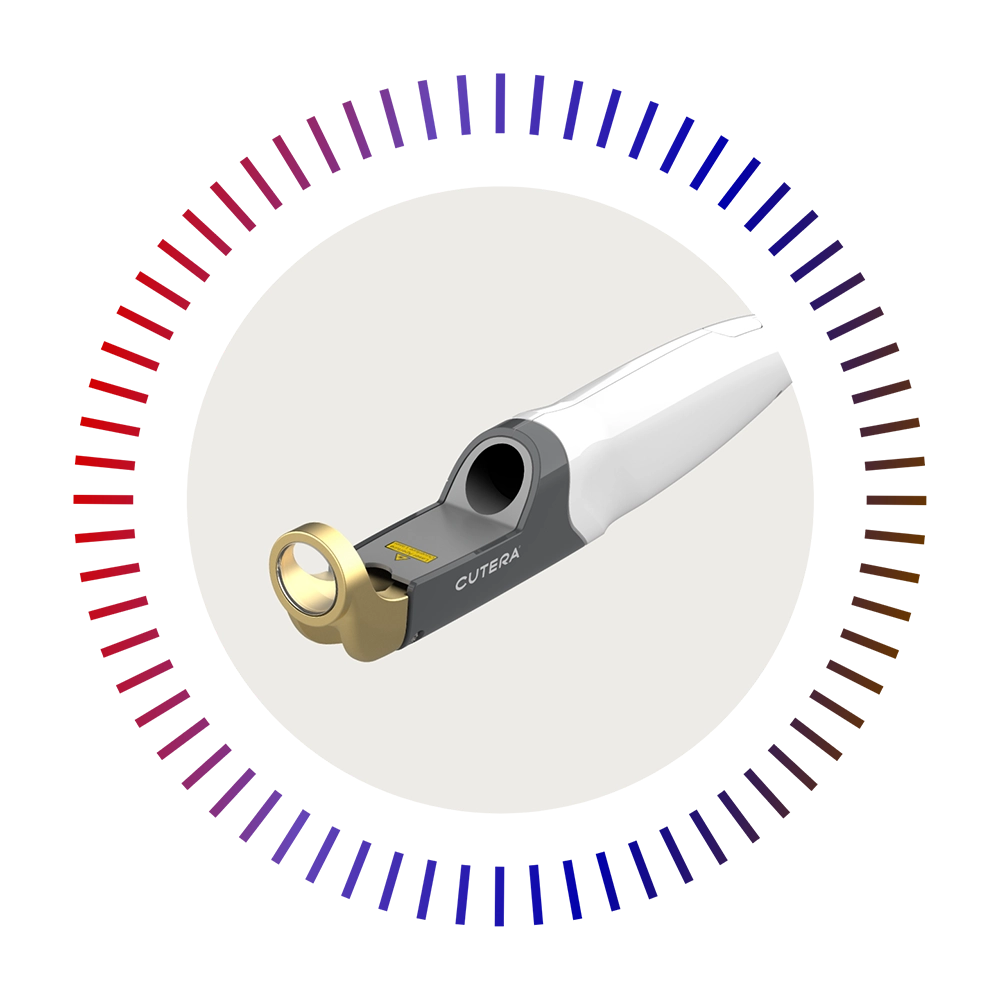
CoolView 532 nm is the workhorse for rosacea treatment. Highly absorbed by oxyhemoglobin, the 532 nm wavelength is ideally suited to addressing superficial vascular lesions including the diffuse redness and telangiectasias characteristic of rosacea. Clinical results demonstrate visible improvement in as little as one treatment session.
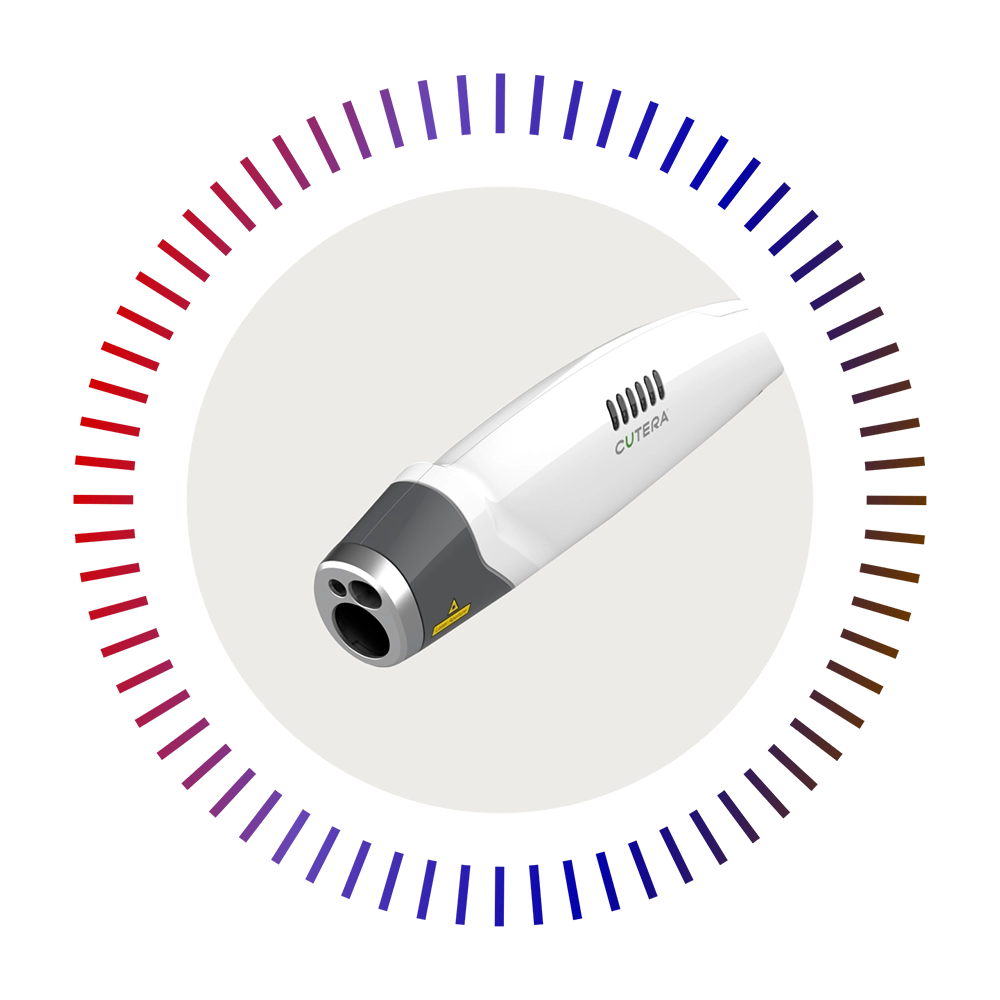
Green Genesis, a unique micro-pulsed 532 nm mode, is specifically designed to address reds and browns across the face and body comfortably and with no downtime – making it an excellent option for rosacea patients who need effective results without significant recovery time.
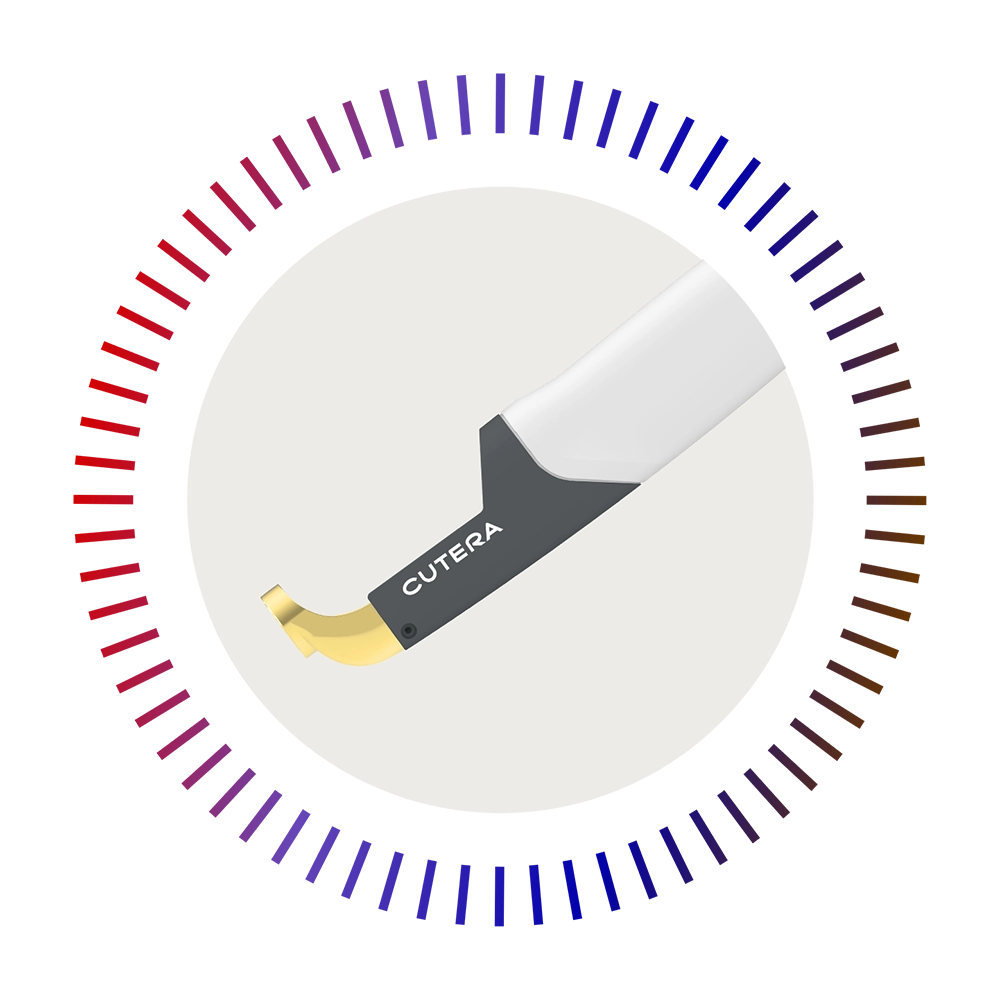
For patients with deeper or more diffuse vascular involvement, the 1064 nm Nd:YAG wavelength delivers safe, effective treatment across all skin types, including deeper and darker vascular lesions that the 532 nm alone may not fully address.
Together, these capabilities make the excel V+ a genuinely versatile solution for the full spectrum of rosacea presentations – from mild flushing and early telangiectasia through to persistent diffuse redness and matting.
Built for Performance, Patient Comfort, and Practice Growth
The excel V+ features integrated sapphire contact cooling, adjustable between 5–20°C, that cools the skin before, during, and after each pulse – minimising discomfort and supporting patient confidence in the treatment experience. With spot sizes up to 16 mm (the largest in its class) and 50% more power than leading competitors, the excel V+ delivers treatments in half the time of conventional platforms – increasing practice throughput without compromising clinical outcomes.
With no consumables or disposables and six distinct avenues of revenue, the excel V+ represents a strong clinical and commercial investment for any practice seeking to build a comprehensive vascular and rosacea treatment offering.
This Awareness Month, Make a Difference
Rosacea Awareness Month is an opportunity for clinics to start — or deepen — the conversation with patients who may have been quietly struggling with symptoms they do not fully understand. Early intervention leads to better outcomes, and effective laser treatment can be genuinely life-changing for patients whose confidence and quality of life have been diminished by this condition.
To support your clinic this Rosacea Awareness Month, Cutera has developed a suite of dedicated awareness resources for clinicians. These materials are available through your local Practice Development Manager or can be accessed directly via mycutera.com. Reach out to your PDM today to find out how to make the most of these resources throughout April and beyond.
To learn more about the excel V+ and its rosacea treatment capabilities, contact your Cutera representative today.
References
- Saurat J-H, et al. Epidemiology of acne and rosacea: a worldwide global study. Journal of the American Academy of Dermatology. 2024;90(5):1035–1037.
- Pierre Fabre Laboratories. Global study on rosacea: 5% of the population affected. March 2024.
- National Rosacea Society. Rosacea Awareness Month.
- Gether L, et al. Incidence and prevalence of rosacea: a systematic review and meta-analysis. British Journal of Dermatology. 2018.
- National Rosacea Society. Rosacea Awareness Month to Focus on Psychosocial Impact of Rosacea. 2014.
- Rademaker M, et al. Pharmaceutical Management of Rosacea — An Australian/New Zealand Medical Dermatology Consensus Narrative. Dermatologic Therapy. 2024.